TikTok can help a small business explain what it does, answer customer questions, and introduce products to new people. But views are not the same as customers, and there is no reliable formula for making a video go viral. Start with a useful message and a small experiment you can afford to repeat.
These five beginner tips focus on organic content first, responsible use of music and customer material, and a measured approach to paid promotion. For a broader planning primer, see our beginner’s guide to video marketing.
1. Choose one audience and one useful outcome
Before filming, decide who the video is for and what you want that person to do next. A neighborhood bakery might want nearby customers to check today’s menu; a freelance developer might explain how a service solves one recurring client problem. A specific objective is easier to make and measure than a general request to “raise awareness.”
Write down one primary action, such as visiting a product page, asking for a quote, or saving a useful tutorial. Keep the profile description, link, and call to action consistent with that action. Profile and linking features can vary by account and location, so check the options currently available in your TikTok account rather than relying on an old setup tutorial.
Set a limit before you begin, too: how much time can you spend making and replying to videos each week, and what would make you pause the experiment? This keeps a new channel from taking time away from customer work without a clear reason.
2. Make a simple video that answers a real question
Use a phone and a quiet, well-lit place to record a short demonstration, explanation, or behind-the-scenes step. Put the useful point near the start, show the product or process clearly, and finish with one next step. A direct answer to a question customers already ask is a better starting point than copying a trend that does not fit your business.
Make the video understandable without sound: add accurate captions, check their spelling and timing, and use on-screen text that is large enough to read on a phone. Keep important text away from the edges and interface controls. Avoid flashing effects, and do not use color alone to communicate an important instruction.
You do not need a large production budget or a particular editing app to begin. Make a short outline, record a few takes, and edit out pauses that do not help the explanation. If you also publish the video elsewhere, adapt the opening, captions, framing, and call to action for that platform instead of assuming a direct repost will fit every audience.
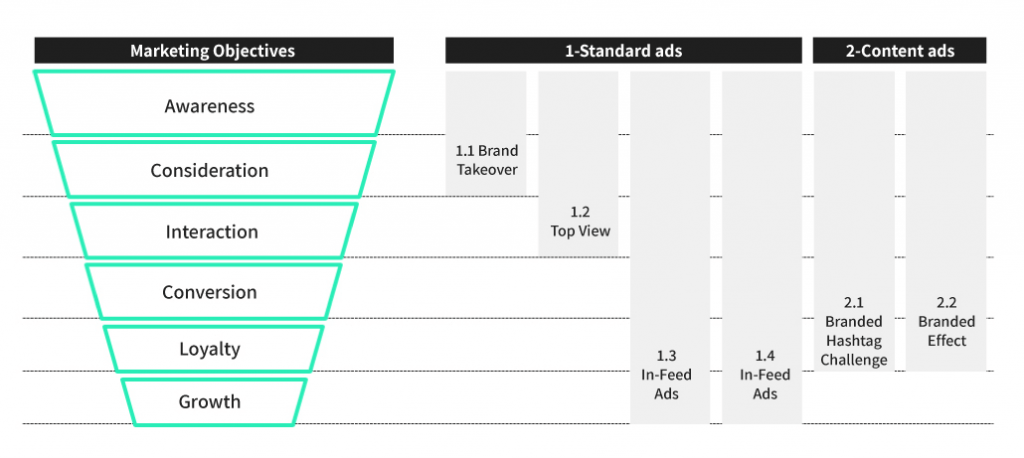
For paid placements, check TikTok’s current creative best practices. Ad specifications and available placements can change; do not treat an old screenshot or a recommendation for one placement as a universal rule for organic posts.
3. Check music, permissions, and disclosures
Music available for a personal post is not automatically cleared for a business promotion. For commercial content, use audio you have permission to use or check TikTok’s Commercial Music Library guidance and the terms for the specific track. A license for use inside TikTok does not necessarily cover using that music in an export, on another platform, or in an advertisement elsewhere.
Ask permission before reposting a customer’s video, comment, image, or message, and agree where and how it may be used. Do not reveal private customer details in a reply or behind-the-scenes clip. If a creator receives payment, a free product, commission, or another benefit, make the relationship clear and follow the rules for your market. TikTok’s Branded Content Policy explains the platform’s requirements; in the United States, the FTC’s endorsement guidance covers disclosure and truthful endorsement principles. Platform labels do not replace any disclosure required by law.
Relared: 1000+ Free Sound Effects, Music Tracks & Loops
4. Treat comments as customer research
Reply to genuine questions when you can do so accurately, and note recurring questions as ideas for future videos or improvements to your product page. You do not need to answer every comment or publish customer interactions. Set a reasonable response schedule and use the platform’s moderation and privacy controls when a conversation becomes abusive or includes personal information.
If you work with a customer or creator, agree on the message and permissions before recording or sharing. Do not promise a reward for positive feedback or edit a testimonial to imply an experience the person did not have. A small business can build useful trust with clear demonstrations and honest answers; it does not need manufactured social proof.
5. Measure a small test before spending on ads
Publish a few videos around the same customer need, changing one meaningful element at a time—for example, the opening explanation or the call to action. Review the measures that match your goal: relevant comments and saves for useful education, qualified profile or website visits for discovery, or enquiries and sales for a conversion goal. Views and likes can provide context, but by themselves they do not show whether the activity helped the business.
Use TikTok’s available analytics and, where appropriate, your own website analytics to compare results with a simple baseline. Respect consent and privacy requirements, use only the data needed to answer your question, and do not identify individual viewers unless they have chosen to contact you. A small sample is directional, not proof that a format will always work.
Only consider paid promotion after you have a clear audience, an offer that works, and a way to judge the result. Review the current options, eligibility, and spend requirements in TikTok Ads Manager; availability and minimums can vary by market and account. Set a budget you can afford to lose, one success measure, and a stop point before launching. Do not assume an ad will be profitable because a post received many views.
A low-budget first-week plan
| Day | Action |
|---|---|
| 1 | Choose one customer question, one audience, and one action to measure. |
| 2 | Outline and record a short answer using equipment you already have. |
| 3 | Add and review captions, check music and permissions, then publish. |
| 4–6 | Reply to useful questions, record recurring topics, and avoid changing the plan mid-test. |
| 7 | Compare the available results with your starting point and decide whether to repeat, adjust one element, or stop. |
One week will not establish a universal winning formula. It is enough to learn whether the workflow is manageable and whether the message gives your intended audience a useful next step.
Historical images from the 2020 version
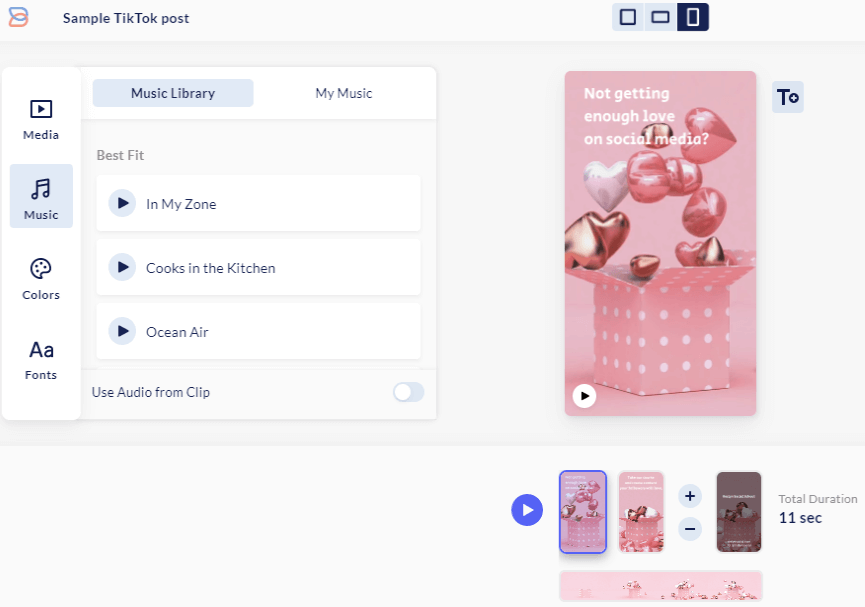
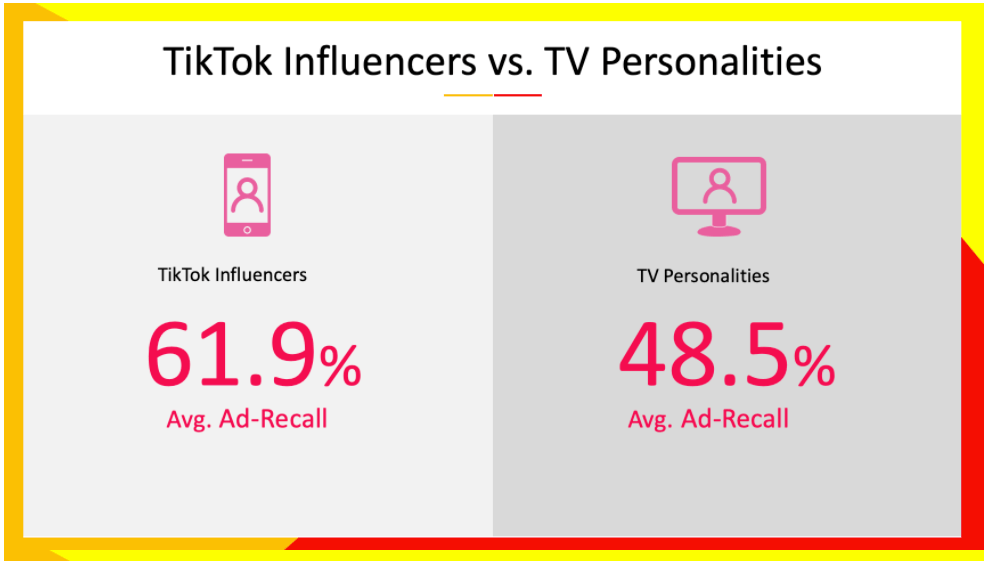
The images below are retained from the original article as historical examples. The Boosted interface and the ad formats shown in the comparison are not current recommendations or a complete description of TikTok’s present features. The Boosted links were removed because they now redirect to the Lightricks homepage rather than the referenced tool or guide.