
Competitor research is most useful when it answers a decision: which audience to serve, what information is missing from your site, or which part of your customer experience needs work. You do not need a large SEO budget or a precise estimate of another site’s traffic to make that decision.
The tools below have free entry points or free checks, but features and usage limits can change. Third-party traffic, backlink, and technology databases are estimates or partial observations, not access to a competitor’s analytics account.
Free website competitor analysis tools
| Research question | Tool | What it can help you check | Important limitation |
|---|---|---|---|
| How much traffic might a site receive, and from which channels? | Similarweb Website Traffic Checker (example report) | Directional traffic and channel estimates for sites with enough available data. | These are estimates, not the site’s first-party analytics. Small or new sites may have little or no data. |
| Which sites link to a competitor? | Ahrefs Free Backlink Checker or Moz Link Explorer | A limited view of backlinks and referring domains to help you find sources worth reviewing. | Free results are not a complete backlink index. Check the linking page and context yourself before drawing a conclusion. |
| Is interest in a topic rising or falling? | Google Trends | Compare relative search interest by topic, region, and time period. | Trends data is normalized and sampled; it is not an exact count of searches. |
| What technology may a public site use? | BuiltWith or WordPress Theme Detector | Look up detected technologies, CMS themes, or plugins. | Detection can be incomplete or out of date. Confirm important details with the product’s own public documentation. |
| How does a representative page perform? | Google PageSpeed Insights | Run a page-level performance check. PSI combines controlled lab diagnostics with real-user field data when available; Google’s PSI documentation explains the difference. | Field data may be unavailable for a low-traffic page, and a single test is not a full-site audit. |
| How has a page or offer changed over time? | Wayback Machine | Review archived snapshots when the Internet Archive has captured the URL. | Snapshots are incomplete and may omit page assets or interactive features. |
| What public domain-registration information is available? | ICANN Lookup | Check registration data for a domain when it is publicly available. | Privacy services and data-protection rules often hide personal contact details. |
A practical workflow for a small business or independent site
- Choose comparable competitors. Start with three to five sites that serve a similar audience, location, and need. A global brand may be a poor benchmark for a local business or a one-person product.
- Write down the question before opening a tool. For example: “Which customer problem do their landing pages answer that ours does not?” This keeps a research session from turning into a collection of vanity metrics.
- Compare public pages and topics. Note the page purpose, intended audience, proof, pricing information, calls to action, and unanswered questions. Use Google Trends for broad interest patterns, not to infer an individual competitor’s exact search volume.
- Check evidence from more than one source. Treat traffic and backlink products as partial estimates. Record the URL, date, market, device, and tool beside each observation so that you can reproduce the comparison later.
- Inspect technical and performance signals. Use technology lookups as clues, then verify what matters. Test equivalent pages in PageSpeed Insights; do not assume that one result represents every page or the full visitor experience.
- Turn one finding into a test on your own site. A competitor’s layout or ranking does not prove it caused a business result. Make a focused change, then evaluate your own conversions and Search Console data. Google Search Console helps you review a site you manage; it does not reveal a competitor’s private analytics.
Keep the work ethical and proportionate: review public pages and published information, follow the sites’ terms, and do not probe accounts or systems you do not own or have permission to test. The goal is to identify a useful improvement for your audience, not to copy another business’s content or design.
Historical resource notes and screenshots from the original 2017 article
The following descriptions and screenshots are retained from the original article as an archive, not as current recommendations. Product availability, features, interfaces, and free-plan limits were not re-verified for these historical notes. Use the current tool guide above instead; archived screenshots show interfaces from the original article and may not resemble today’s products.
1. Similarweb – Digital Marketing Intelligence and Website Traffic
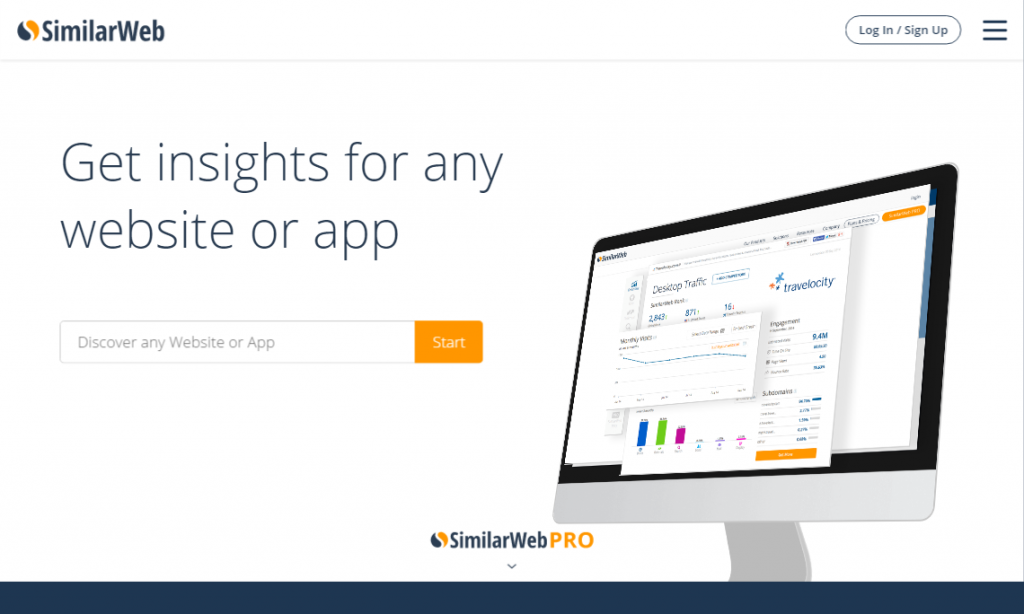
The original article described traffic, referral, search, and audience metrics. Those 2017 feature claims and the retained screenshot are archival, not a statement of the current product or its free access.
The original article also linked to the Similarweb Chrome extension; its current features and access limits may differ from this historical description.
2. Alexa Internet – retired website analytics service
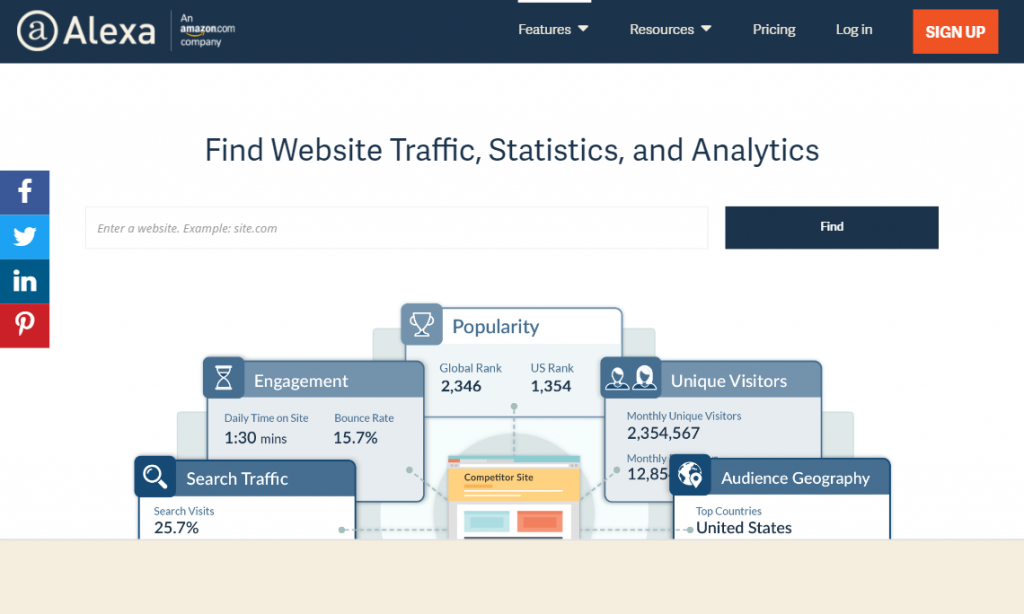
The original Alexa.com/SiteInfo address now redirects to Amazon’s consumer Alexa product rather than the website-analytics service described here. This screenshot and the rankings in the old article are historical, not a current alternative to Similarweb or first-party analytics.
3. Moz Link Explorer – successor to Open Site Explorer
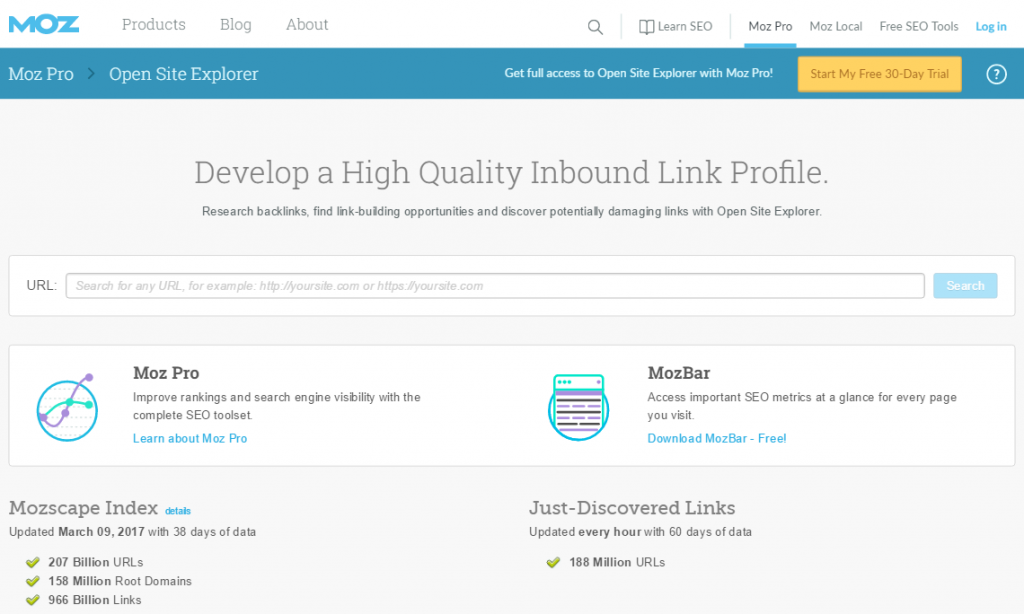
Open Site Explorer has been replaced by Moz Link Explorer. The original article described domain and page authority plus linking-domain reports; refer to Moz’s current product information for today’s metrics, access, and limits. This screenshot is retained as a historical interface.
4. BuiltWith – Lookup Technology used by Websites
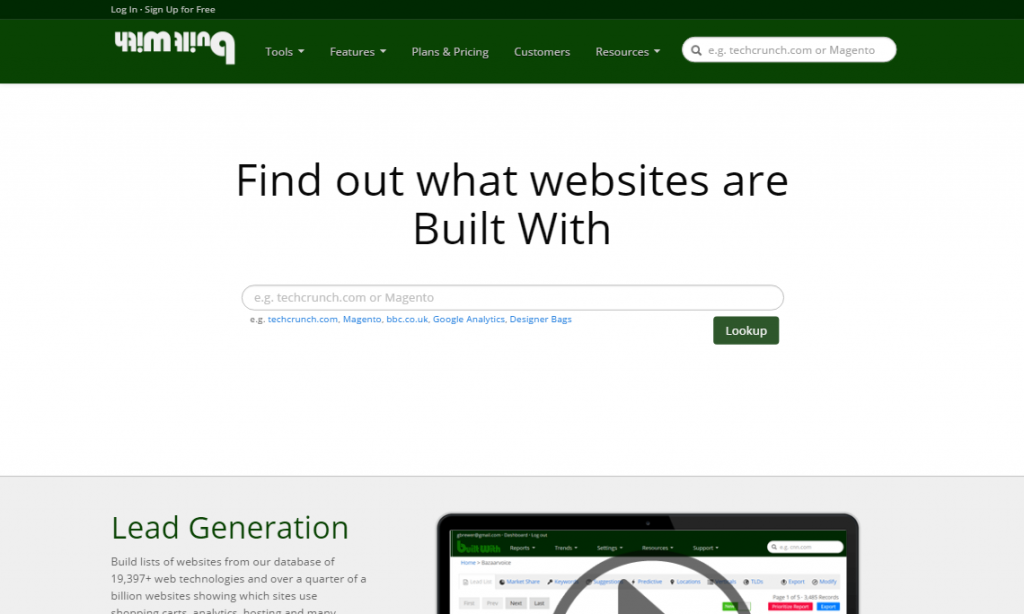
BuiltWith is useful if you want to dig up the technologies that a website is using. May be it is an e-commerce portal and you want to know if it is using Magento or WooCommerce or anything else. If it is a blog or a website, you may want to see what CMS the website is using. You may also want to find out other services and frameworks the website is using. You can gather all such information about a website with BuiltWith.com
BuiltWith will tell you about the web server used by the website, the SSL certificates installed on the site, Nameservers and Email services used, the CMS and frameworks used to build the site along with Advertising, Analytics and Payment services integrated with the website.
Apart from looking up the tech stack behind a website, you can also analyse the global web technology usage trends and statistics using BuiltWith.com. This can be useful if you are deciding about your own tech stack.
5. BuzzSumo – Find Most Shared Content of Competitor Website
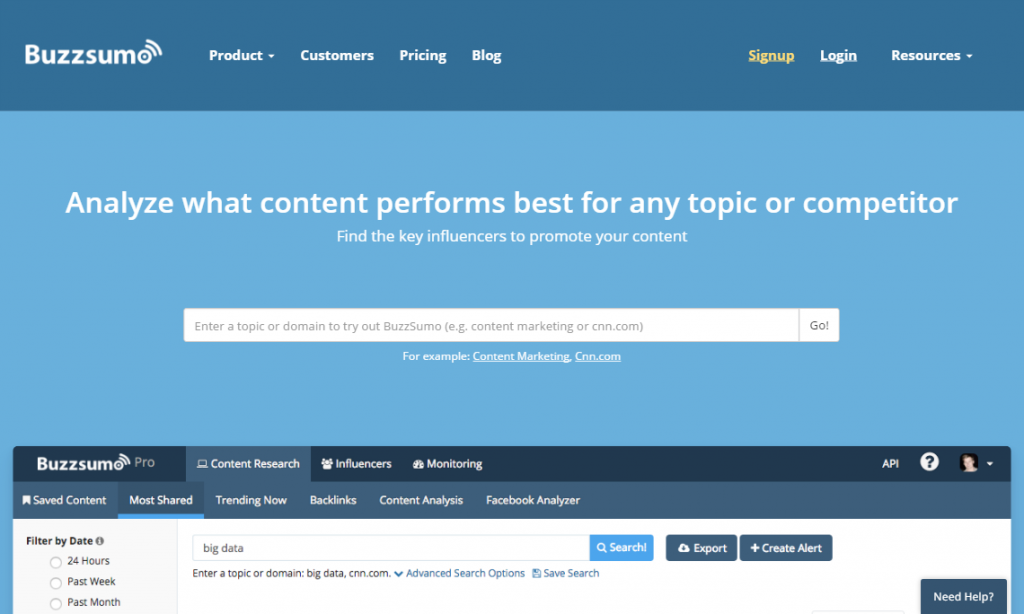
The original article described BuzzSumo’s content-research features. Its plans and available free access can change; check the vendor’s current product information before relying on a feature. Social shares alone do not prove search demand or that copying a competitor’s topic will improve your results.
The free-plan limits and trial length stated in the original article are historical and have not been verified as current.
6. W3bin – historical hosting and traffic lookup
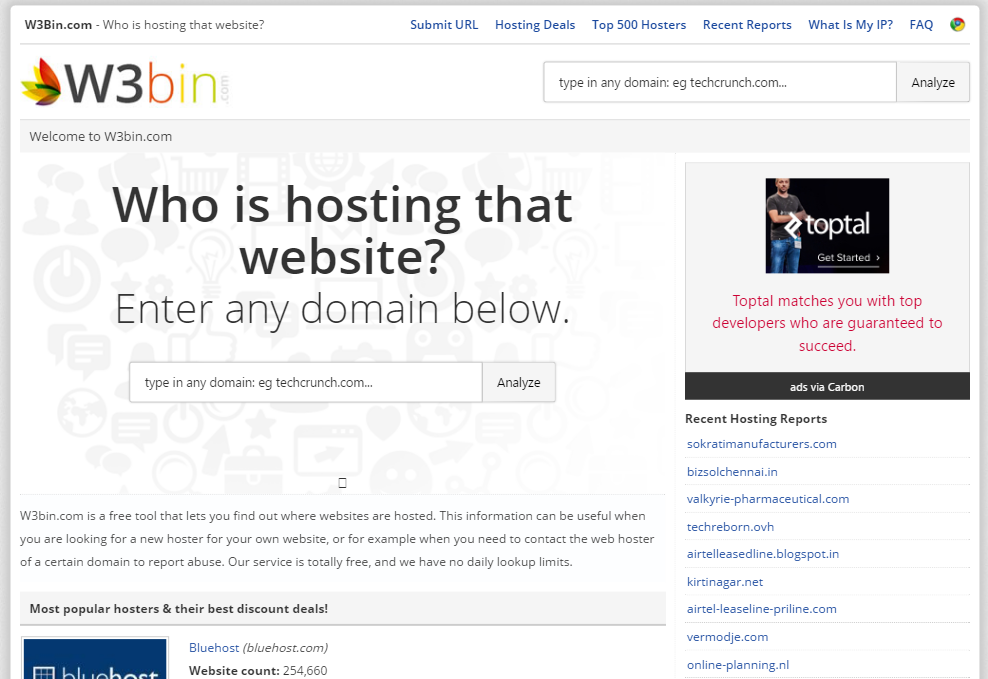
The original article described W3bin as a hosting and traffic lookup tool. Its website did not respond during this review, so its present availability and the historical estimates below could not be confirmed.
Do not rely on the old screenshot or the original article’s revenue, traffic, ranking, or hosting claims as current data. Use the current traffic and technology tools above and verify important details with the relevant provider.
7. Nibbler – historical website report tool
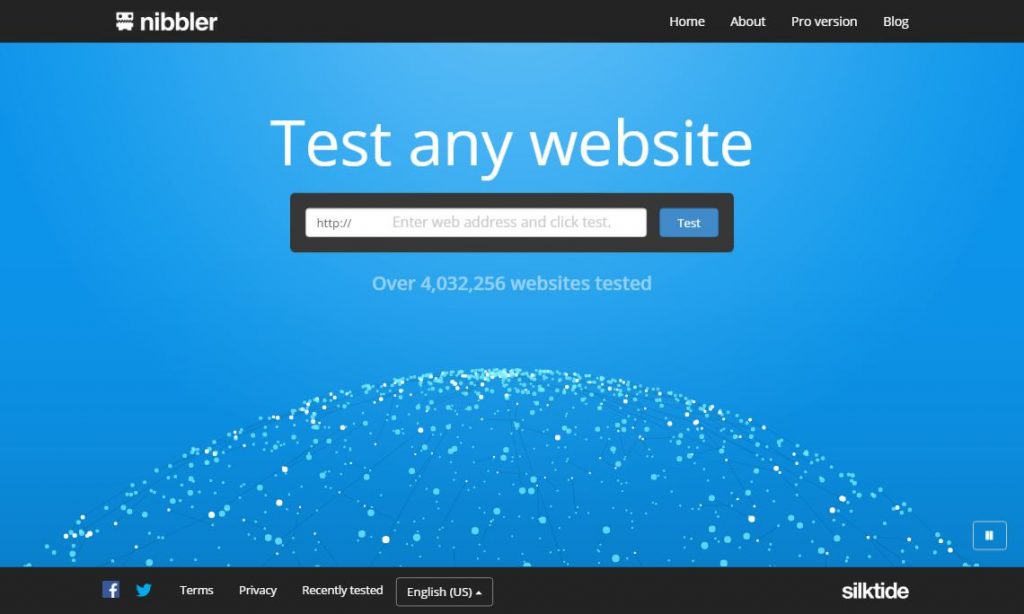
The Nibbler URL in the original article now redirects to Silktide’s general website rather than a Nibbler report tool. The old screenshot and limits are retained only as history; use PageSpeed Insights and the W3C accessibility evaluation overview for current guidance instead.
8. WPThemeDetector – Find a WordPress Site’s Theme and Plugins
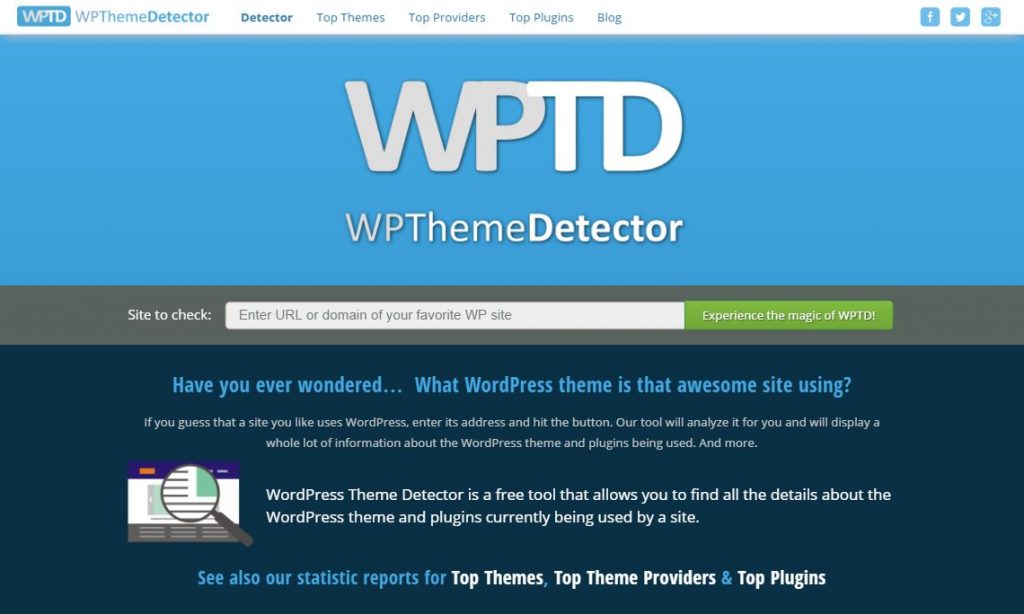
A theme or plugin detection is only a starting point for research. Do not assume a detected component is still installed, suitable for your needs, or the reason a competitor’s site performs well.
The detector can provide a starting point for investigating a public WordPress site’s theme or plugins. Treat detections and any theme popularity report as clues, not proof of what will fit your own project; the original article’s ranked-theme claims and product examples are historical.
9. Who.is – WHOIS Lookup, Domain and IP Owner information
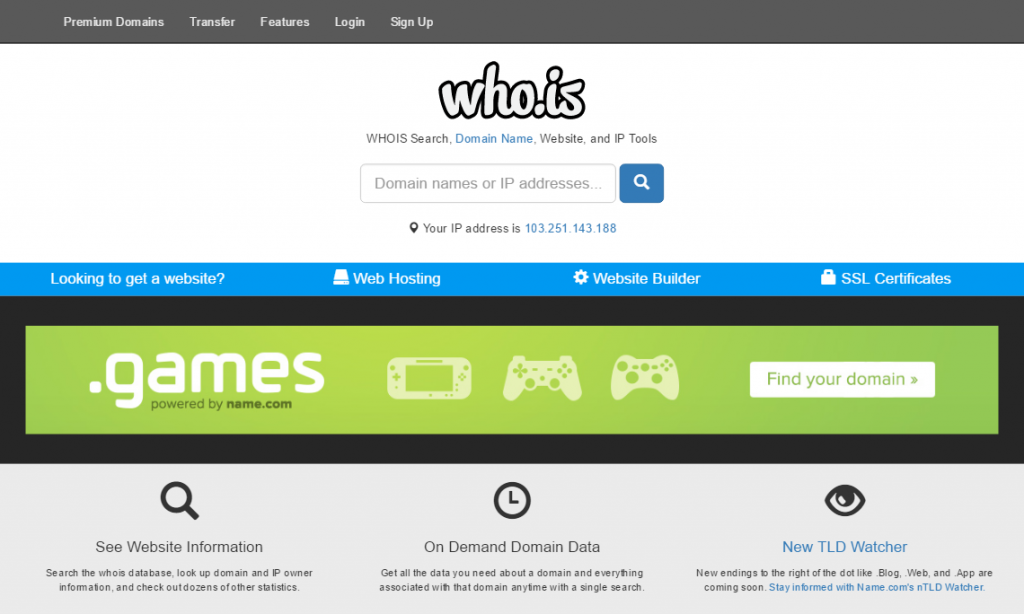
The original article used Who.is for WHOIS lookups. Registration data and available fields vary; use the ICANN Lookup option above and expect personal contact details to be redacted in many cases.
10. Ahrefs SEO Checker – current destination of the old SEO WebPage Analyzer link
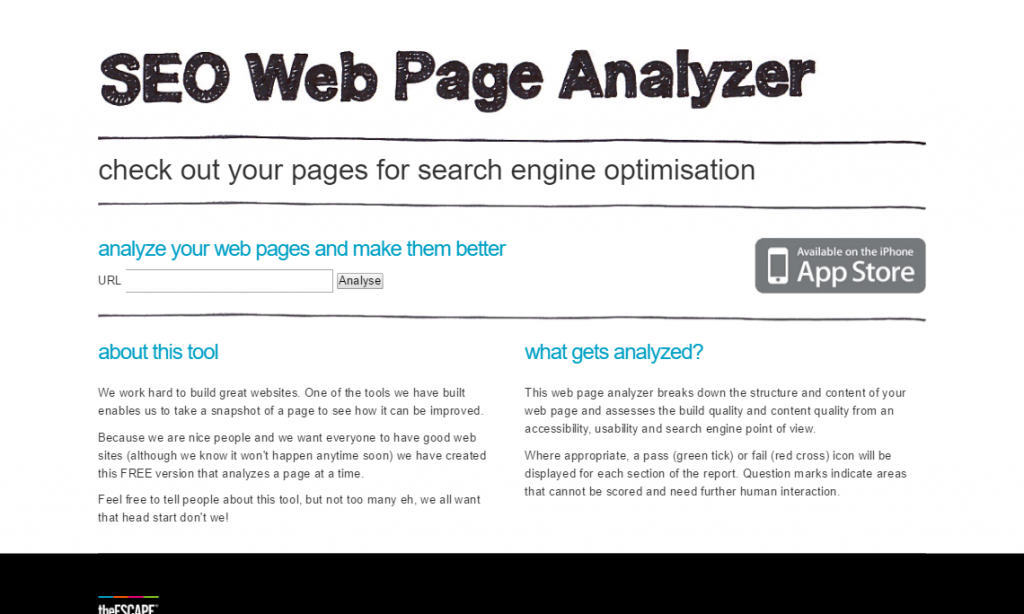
The old SEO WebPage Analyzer URL now redirects to Ahrefs SEO Checker. The screenshot shows the earlier tool; check the current product page for available checks and limits.
11. MyWebIsWorth.com – historical website-value calculator
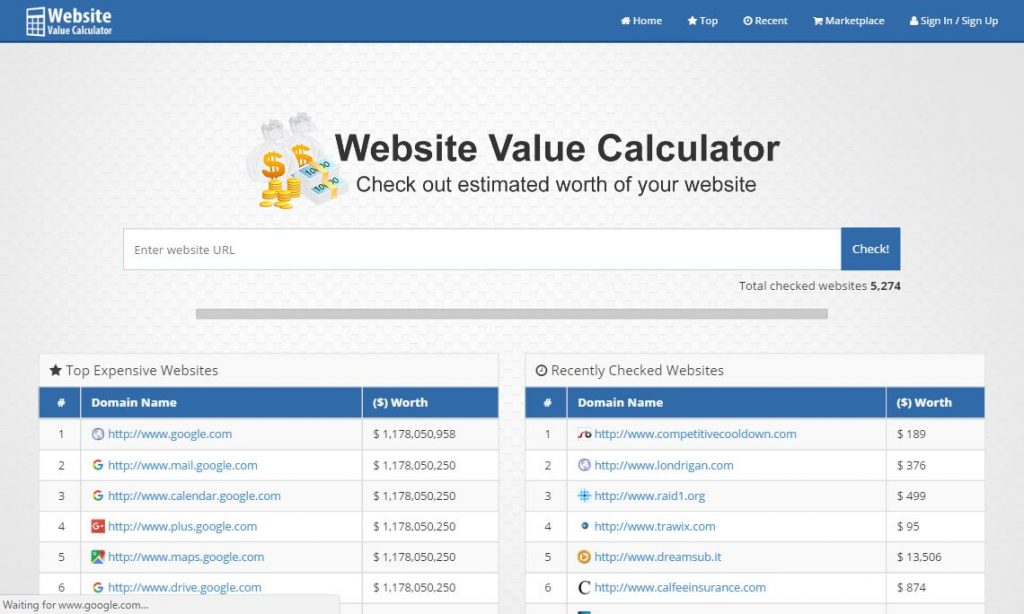
The original article described a website-value estimate, but the site could not be reached during this review. Automated valuations are not a substitute for verified financials, due diligence, or a qualified business valuation.
12. GTmetrix – Website speed tool
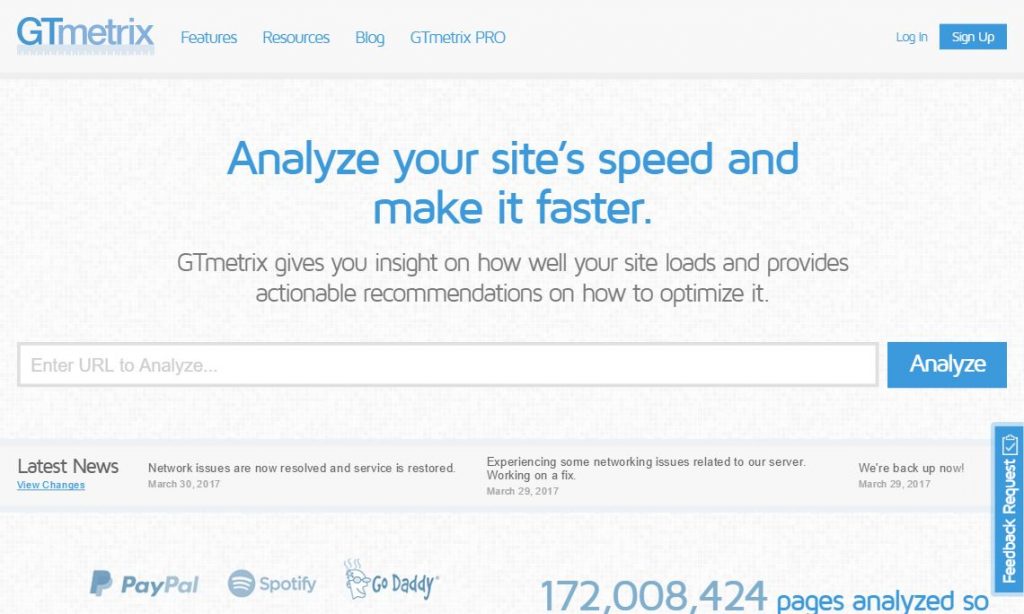
GTmetrix offers a robust free tier that lets you analyze website speed using real Chrome desktop browser tests powered by Google Lighthouse. Free users receive detailed performance reports featuring Core Web Vitals (LCP, TBT, CLS), structure audits, and full request waterfall charts to pinpoint slow assets. Signing up for a free account unlocks essential diagnostics like basic test server selection, network throttling options, and the ability to monitor a single URL with email alerts. It provides website owners and developers with immediate, actionable optimization insights without requiring a paid subscription.
You can also use Google’s PageSpeed Insights for an accessible starting point.
13. PageSpeed Insights – Google’s page performance tool
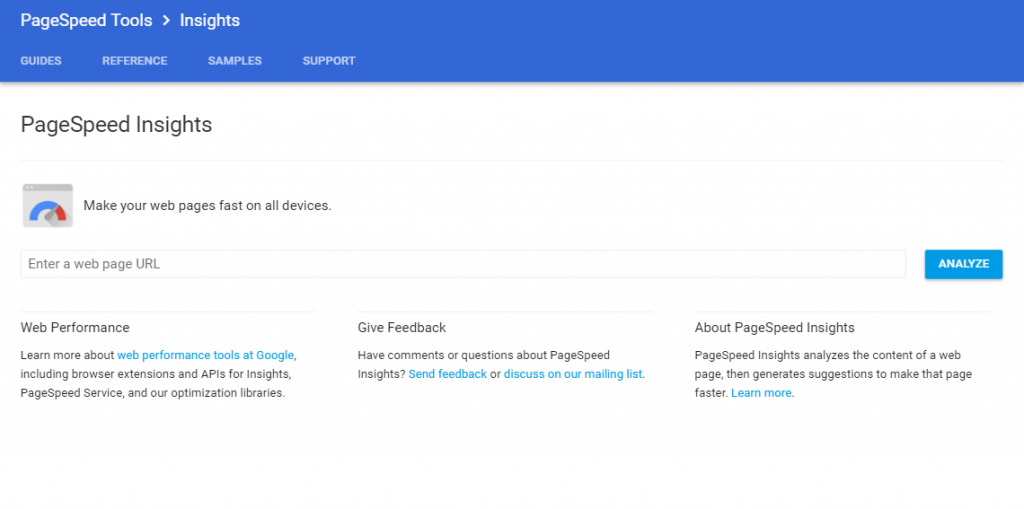
The original article described a PageSpeed Insights interface that has since changed. Current results include lab diagnostics and, where available, field data; see Google’s documentation linked in the current guide above.
14. WhatFont – Check Font used in Website
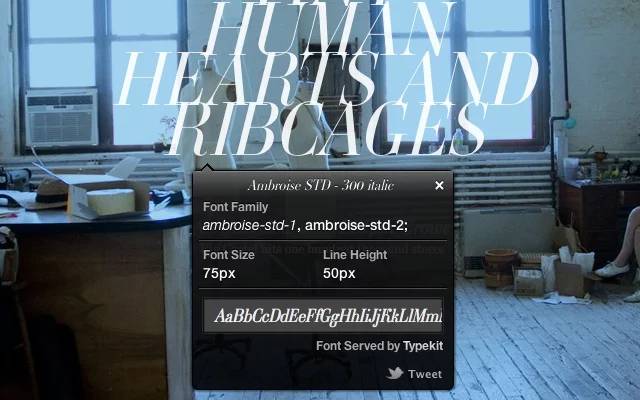
Typography and Colors play a big role in a brand’s identity. Understanding the psychology of fonts and applying it for your own brand can help you leave longer lasting impact to your website visitors. For the cases where you need to study the font used in your competitor’s website, this chrome extension WhatFont will be helpful. Apart from telling you the font family used on the site, it will also display the font size, line-height and the service used for serving the web font.
Note that the plugin only works on text and there are multiple other tools to identify fonts used on a website. In case you need to identify a font used in an image, another online tool What Font is will come in handy.
15. Wayback Machine – Check How a Webpage Looked in the Past
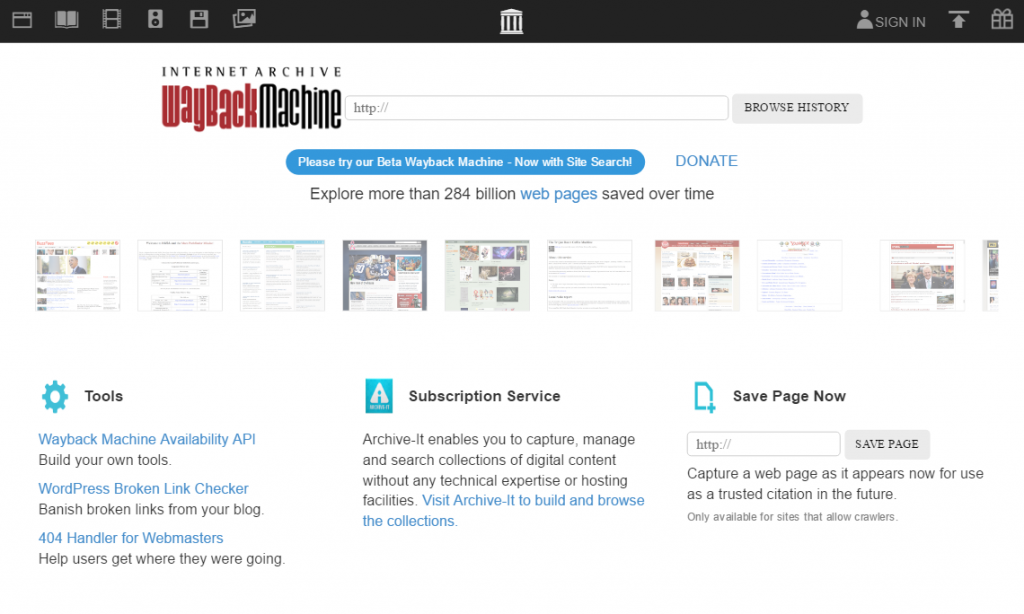
Internet Archive is a non-profit library of free books, movies, software, music, websites, and more. Its Web Archive section allows you to travel back in time and see how a web page looked like in the past. This can be useful to understand how a website or a webpage evolved over time.
Note that snapshots of webpages are taken at an interval of time and thus a snapshot may not be available for all possible date. Nonetheless, this utility is very useful in studying the historical web design and content of a website.
These screenshots and legacy descriptions are preserved to document the original article, not to imply that every service remains available or free. For a current starting point, use the recommendations and limitations at the beginning of this guide.

Hi,
Great post!
I think it’s worth mentioning http://www.visitorsdetective.com/
This tool let’s you check competitors traffic regardless site size (unlike similar tools), and it’s totally free.
Awesome man nice aritcle
great list, very useful, thank you Kanishk. Wish I found this page when I’ve been trying to detect which WP theme has been used on some sites!
Hi,
well-written article. I have already used some of them.
In my opinion, we will get more accurate conclusions if we use more analytical pages.
That’s an amazing article about website analytics.
Problem with,
“6. W3bin – Website Hosting Information, Traffic Estimates and Cost”
it takes to the,
https://pnghero.com/
Thanks for sharing such an informative post was really soo helpful.